Wanting, arousal and PT-141
The experiments become more interesting when those words stop standing in for one another.
Melanocortin receptor agonist targets in the brain
An agonist activates a receptor. PT-141 acts mainly at MC4R and MC3R, members of the melanocortin family concentrated in brain regions involved in sexual motivation. The early pharmacology supports a central mechanism, unlike the action of PDE-5 inhibitors on vascular smooth muscle. It does not directly raise testosterone through the hormone system that controls its production.
The difference in target is compelling to me; I distrust the usual shorthand, a switch for desire. MC4R also participates in appetite regulation, and metabolic studies in obese premenopausal women found effects on food intake and body weight under high-frequency research protocols. That is an off-target consideration; weight-loss use remains outside the approval. A receptor does not belong exclusively to the problem a medicine was developed to address.
Rat behaviour and human brain imaging
In female-rat experiments published in 2004, PT-141 increased appetitive, solicitational behaviour: the animals' desire-driven approaches. It did not alter lordosis, the reflexive receptive posture, pacing or general motor activity. I admire how Pfaus and colleagues separated the behaviours. A broad statement about improving sexual function would lose the actual observation.
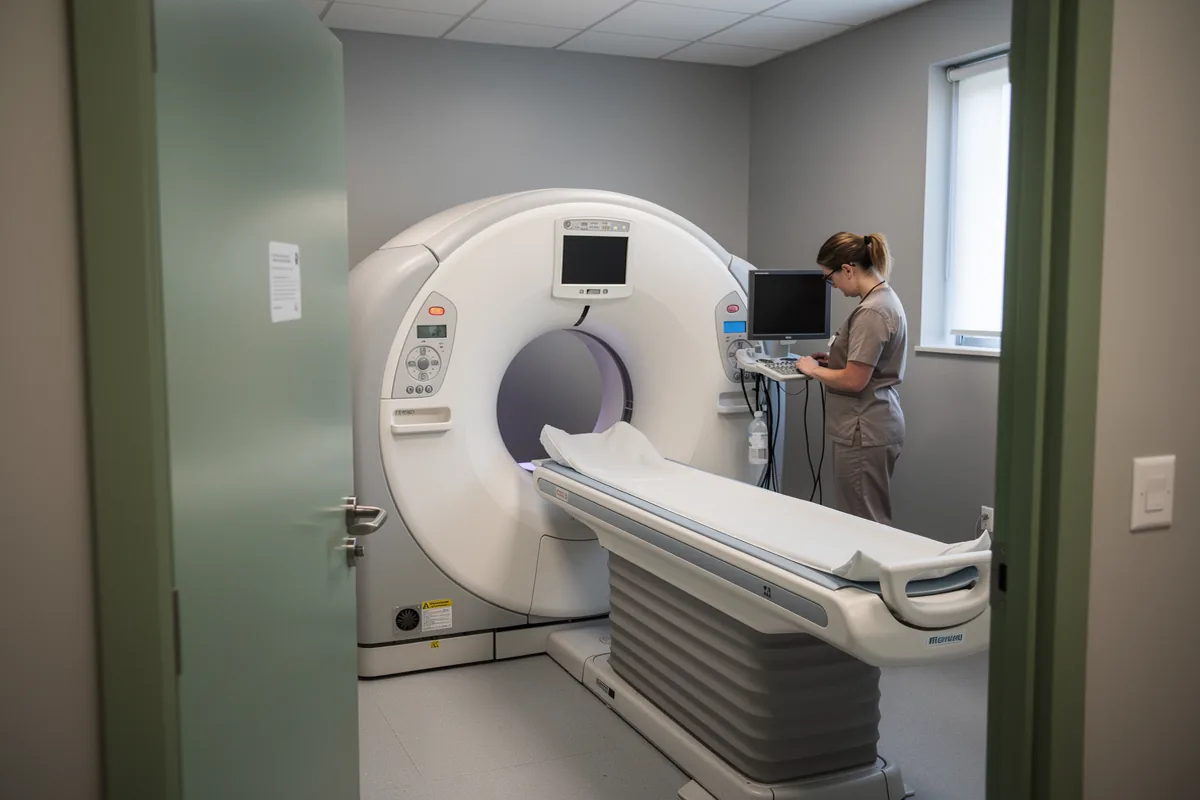
The next useful comparison is human. A placebo-controlled crossover brain-imaging study enrolled 31 premenopausal women with HSDD. MC4R agonism increased reported sexual desire for up to 24 hours and changed processing of erotic cues, including stronger amygdala-insula connectivity and activity in cerebellar and supplementary-motor regions. Those scan findings support a central action; they do not convert the rat behaviour into a human promise.
The hamster result spoils a convenient explanation
The 2025 female Syrian hamster study found melanocortin-receptor messenger RNA, the instructions cells use to make proteins, concentrated in dopamine neurons of the ventral tegmental area. But bremelanotide did not change receptor-expression measures in the mesolimbic dopamine system, and did not enhance sexual reward in a conditioned-place-preference test. That test asks whether an animal comes to favour a setting associated with an experience.
I expected a reward effect to follow neatly from the desire result. This experiment gives me a reason to resist that neatness. It is an animal result in a particular model, not a refutation of the human desire trials. Wanting something, responding physically and finding it rewarding are distinct questions. The human benefit figures answer only the questions their trials measured.