PT-141 side effects and nausea
The less appealing half of the reputation deserves more than a closing caveat.
PT-141 side effects: the conspicuous one is nausea
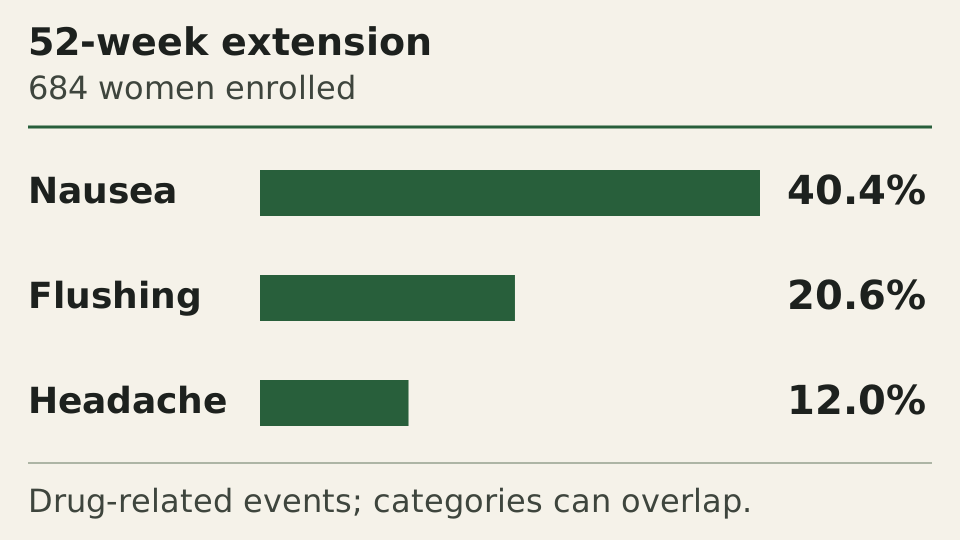
In the 52-week open-label extension involving 684 women, the most common drug-related treatment-emergent adverse events were nausea (40.4%), flushing (20.6%) and headache (12.0%). Nausea was the principal tolerability issue. The safety analysis across the development programme confirms that the same complaints dominate the clinical record.
I cannot make sense of the modest benefit without this part beside it. These percentages apply only to the extension's participants and follow-up; they cannot describe everyone who encounters material called PT-141. The plate compares the reported frequencies within that study only. It does not say how severe an episode was, or whether the same woman reported more than one event.
Blood pressure, pigmentation and liver cautions
The prescribing information documents a transient increase in blood pressure and a small fall in heart rate. Uncontrolled hypertension and known cardiovascular disease are contraindications. The ambulatory blood-pressure study examined that temporary cardiovascular effect; calling it temporary does not make the contraindications optional.
Frequent exposure can also cause hyperpigmentation, or darkening of skin and mucous membranes, including the face, gums and breasts. The label warning on pigmentation notes greater risk with darker baseline skin and that changes may not completely reverse. I hear the echo of the tanning lineage here, without treating an origin story as a substitute for safety data.
The NIH LiverTox monograph records mild liver-enzyme elevations and rare clinically apparent liver injury. Controlled human data do not establish safety in pregnancy or breastfeeding.
PT-141 reviews contain incompatible experiences
The community material contains anecdotal accounts, not clinical evidence. Stronger sexual desire and nausea are very commonly reported; arousal and sensitivity, orgasm or pleasure, flushing, headache and local irritation are frequently reported. Those descriptions identify repeated themes in the source material; they supply no measured percentages of people. They have no denominator comparable to the clinical extension.
Less repeated accounts describe emotional closeness, tingling, fatigue, pigment changes or no benefit at all. Reports also describe delayed or prolonged effects without agreeing on a dependable experience. I am especially reluctant to let the attractive closeness story erase the accounts of side effects without benefit. Neither establishes how likely a result is. No amount or schedule follows from these reports.
Accounts of spontaneous erections and greater interest also appear under PT-141 for men. They remain anecdotal and concern a use outside the approved premenopausal-HSDD indication. The older male erectile-activity research does not turn those accounts into an approved male treatment.
A familiar molecule name does not verify the contents
The forensic study of illicit melanocortin products identified melanotan-II and bremelanotide in seized material. Research-chemical supply sits outside the pharmaceutical approval framework, without assured identity, purity or concentration. That problem comes before any claim about the molecule's effect.
A case report of systemic toxicity after melanotan-II injection describes severe muscle breakdown and renal dysfunction. It concerns melanotan-II, not bremelanotide. I refuse to borrow another compound's case as if it were a PT-141 event; it supplies context about unregulated supply, not an incidence estimate for this medicine. The dose and unit questions depend on knowing what material the figures actually describe.